Non-Toxic Roasting Pans for Turkey & Sunday Roasts
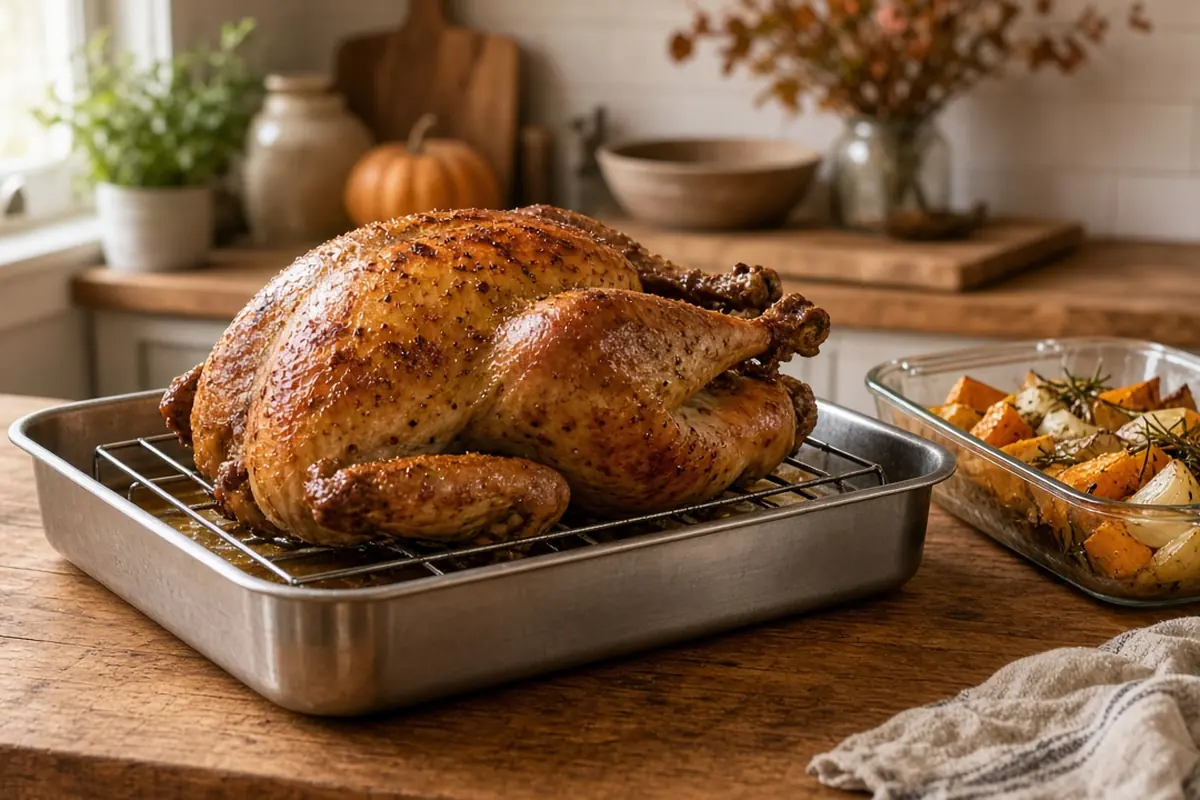
A lot of roasting pans, and especially their racks, are nonstick-coated. If you're roasting a holiday turkey or a weeknight chicken, here are uncoated stainless, enamel and glass options, plus the USDA basics for a safely cooked bird.
The pan itself is rarely the issue. Most roasting pans are bare stainless steel or enamel. The thing to check is the rack, which is often nonstick-coated even when the pan isn't. We've noted that on each pick.
What to look for
- Uncoated stainless steel for the pan and ideally the rack. It browns drippings well, so gravy is easier.
- Low sides. The USDA recommends a shallow pan 2 to 2½ inches deep so hot air can reach the bird.
- Size. Measure your oven before you buy. A 16-inch roaster fits most full-size ovens, but not every small or wall oven.
- Sturdy handles you can grip with oven mitts while carrying 20 lb of hot turkey.
Stainless steel roasters
This guide contains affiliate links, including Amazon links, so we may earn a commission; see the disclosure.
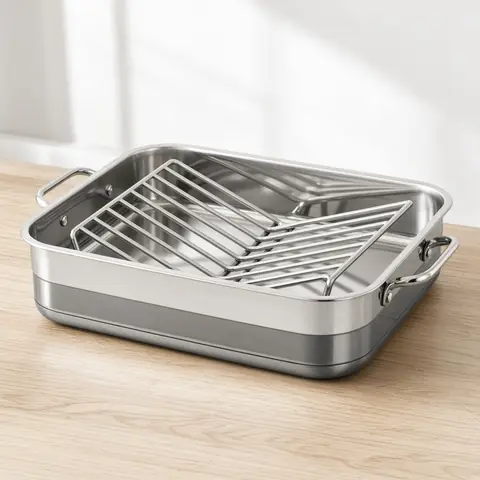
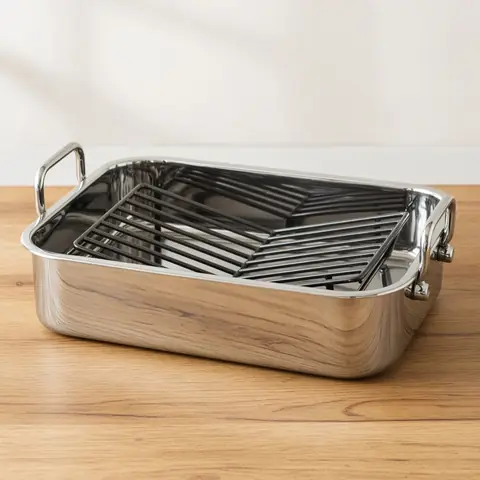
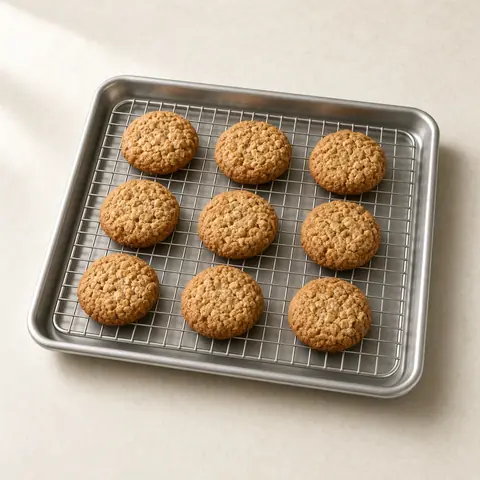
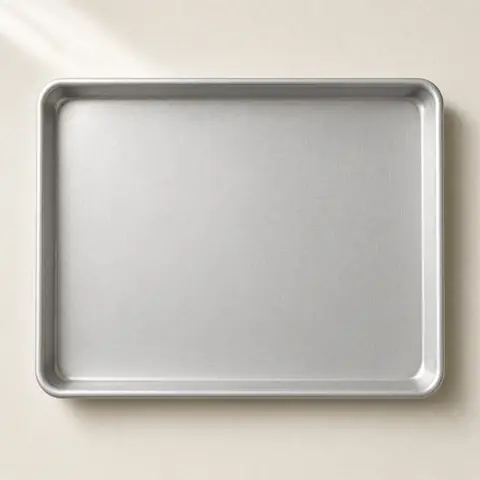
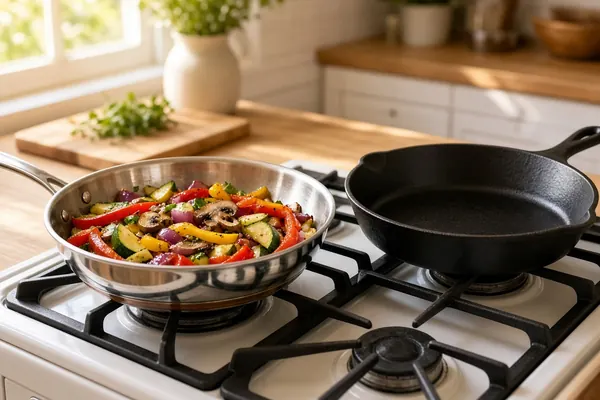
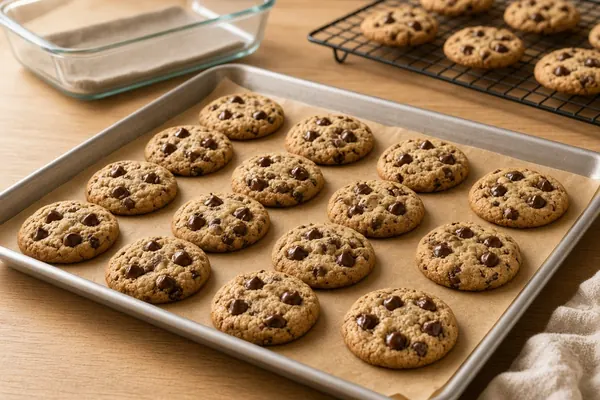
Illustrative photos, not the actual products. Tap a photo to see that pick on Amazon.
Cuisinart MultiClad Pro 16-Inch Stainless Roasting Pan with Rack (MCPS117-16BRP1)
Tri-ply stainless with an aluminum core and a stainless (uncoated) rack.
Why we picked these
- Cuisinart MultiClad Pro 16-Inch Stainless Roasting Pan with Rack (MCPS117-16BRP1) Stainless roaster + stainless rack Tri-ply stainless with an aluminum core and a stainless (uncoated) rack. Cuisinart lists it for turkeys up to 18 lb, oven safe to 500°F, induction compatible and dishwasher safe.
- All-Clad Stainless Steel 13x16-Inch Roasting Pan with Rack (E752C264) Heavy stainless pan A heavy-gauge stainless pan that All-Clad rates oven and broiler safe to 600°F, so you can deglaze it on the stovetop for gravy. Worth knowing: Heads up: the included V-rack is nonstick-coated (rated to 375°F). If you want zero coating, use a plain stainless rack or a bed of vegetables. Not induction compatible.
- Hestan Provisions OvenBond Quarter Sheet Pan with Rack Stainless quarter sheet A smaller stainless pan and rack, the size we reach for most for toddler-portion roasted veggies, chicken nuggets and toaster-oven jobs.
- Vollrath Wear-Ever Half-Size Sheet Pan, 18x13 Restaurant-grade sheet pan Plain uncoated aluminum, the kind used in commercial kitchens. Heavy enough to resist warping in a hot oven. Worth knowing: Line with parchment for acidic foods, and hand wash to keep it from discoloring.
The sheet pans are for chickens, turkey breasts and vegetables, not a whole holiday turkey. Our baking sheet guide has more options.
Enamel and glass options
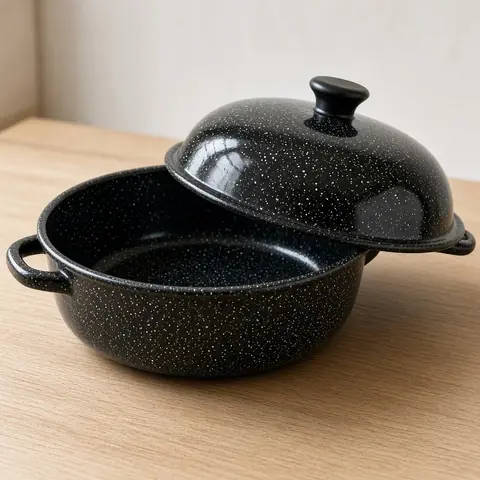
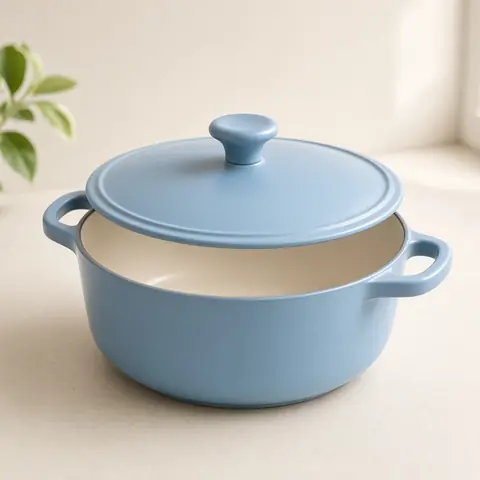
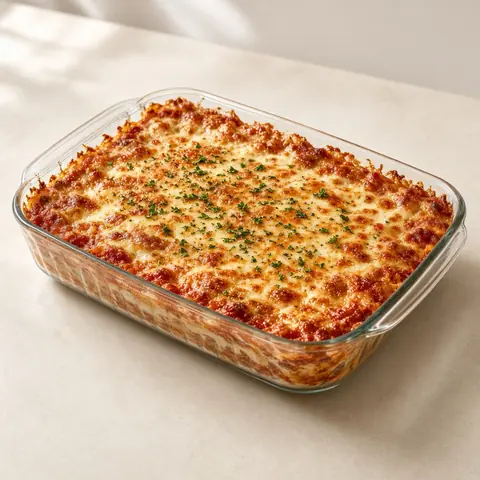
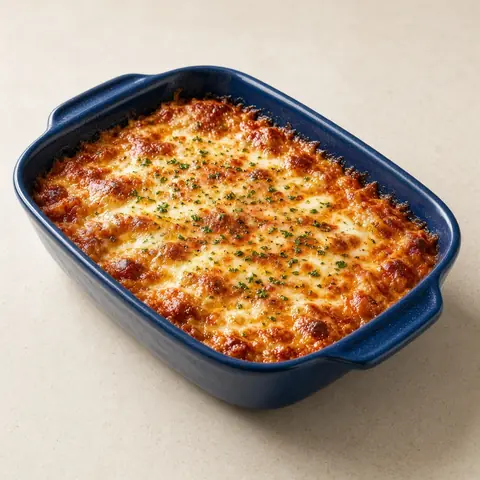
Illustrative photos, not the actual products. Tap a photo to see that pick on Amazon.
Granite Ware 20-lb Covered Oval Roaster
Porcelain enamel fused to steel, with no nonstick coating.
Why we picked these
- Granite Ware 20-lb Covered Oval Roaster Enamel-on-steel roaster Porcelain enamel fused to steel, with no nonstick coating. The covered oval shape fits a large bird, and the lid works as a second roaster. Dishwasher safe. Worth knowing: The maker says not to use it on glass/ceramic cooktops. Replace it if the enamel chips.
- Lodge Essential Enamel Cast Iron Dutch Oven, 6 Quart Best enameled pot Enameled cast iron is glass-like enamel fused to iron, so there's no seasoning to maintain and it's fine with tomato sauces and soups. Six quarts covers soups, stews, chili and no-knead bread for a family. Worth knowing: Avoid metal scrubbers and sudden temperature changes, which can chip enamel. Retire any pot with chipped enamel on the cooking surface.
- Pyrex Basics 3-Quart Glass Baking Dish (9x13) Best glass baking dish Tempered glass is non-reactive and has no coating at all. Use it for casseroles, lasagna, brownies and roasting, then store leftovers right in it. Worth knowing: Avoid sudden temperature changes (like adding cold liquid to a hot dish or putting it on a wet counter) which can crack glass.
- Emile Henry Modern Classics 13x9 Ceramic Baker Heirloom ceramic dish A glazed ceramic baker made in France for lasagna, gratins and casseroles. It goes from oven to table, and there's no nonstick coating.
A Dutch oven or a 9x13 glass or ceramic baker won't hold a whole turkey, but they're great for a chicken, a pot roast, stuffing and the side dishes. For more uncoated pots and pans, see our non-toxic cookware guide.
USDA turkey basics
From the USDA Food Safety and Inspection Service's turkey roasting guidance:
- Set the oven no lower than 325°F.
- Place the turkey breast-side up on a flat rack in a shallow pan.
- Use a food thermometer. It's done at 165°F in the innermost thigh, innermost wing and thickest part of the breast.
- Let it rest 20 minutes before carving.
Serving it up? Our lead-free dinnerware guide covers platters and plates.
FAQ
Do I need a roasting pan for a turkey?
Not strictly. The USDA says to roast a turkey on a flat rack in a shallow pan 2 to 2½ inches deep. A sturdy stainless roaster, a large enameled pan or even a half sheet pan with a rack (for a smaller bird) can all work.
Are nonstick roasting racks a problem?
Many roasting racks are nonstick-coated, and coatings are rated for a maximum temperature. If you'd rather avoid coatings, choose a pan with an uncoated stainless rack, or roast the bird on a bed of thick-cut vegetables.
What temperature should a turkey reach?
The USDA says a turkey is safe when a food thermometer reads 165°F in the innermost part of the thigh and wing and the thickest part of the breast. Let it rest 20 minutes before carving.
Can I make gravy right in the pan?
With stainless steel, yes. Many stainless roasters can go on a burner to deglaze the drippings (check your pan's instructions). Enamel-on-steel and glass dishes should not go on a stovetop burner unless the maker says so.